

Tattoo healing FAQ
Hi, I’m Alex - a tattoo artist from Boston. Here I answer some of the most common questions about tattoo aftercare following a session.
How to properly take care of a tattoo?
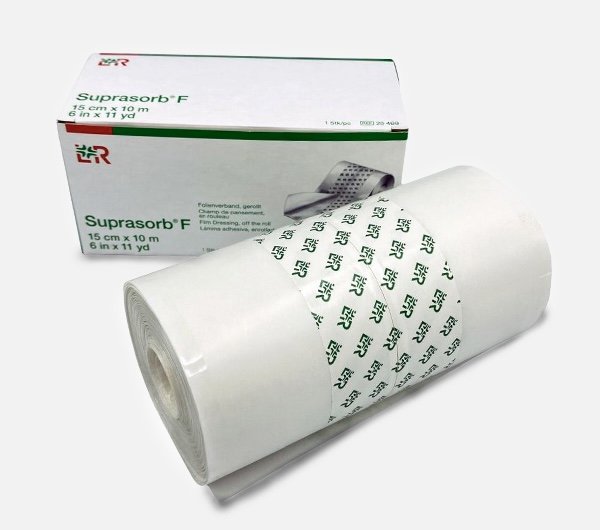
Proper care during the first days after a tattoo session is a key factor that directly affects how the tattoo will look once it heals. Immediately after the procedure, the artist usually covers the tattoo with a protective bandage or a special healing film. You should keep it on for as long as your artist recommends in order to protect the skin from bacteria and contamination.
After removing the bandage, the tattoo should be gently washed with warm water and a mild antibacterial soap. Do not use sponges or rough towels. The skin should not be rubbed — simply pat it dry with a clean paper towel or allow it to air dry. After that, apply a thin layer of a healing cream or ointment.
It is also important not to pick at any scabs that form, as this can damage the pigment and leave gaps in the tattoo.
How long does a tattoo take to heal?
Tattoo healing happens in several stages. Externally, the skin usually recovers in about 10–14 days. During this time redness fades, light peeling appears, and then the skin gradually returns to normal.
However, full recovery of the skin takes much longer. The deeper layers of the epidermis continue regenerating for about 4–6 weeks after the session. Healing time depends on many factors: the size of the tattoo, its placement on the body, individual skin characteristics, and how carefully aftercare instructions are followed.
Why tattoos fade? Why does a tattoo become lighter?
After healing, almost any tattoo becomes slightly lighter. This is a natural process related to how the skin recovers after the procedure.
During the session, pigment is placed into the dermis layer of the skin. As the skin heals, a new layer of epidermis forms above the pigment, which slightly softens the contrast. Because of this, the tattoo may appear less bright than it did immediately after the session.
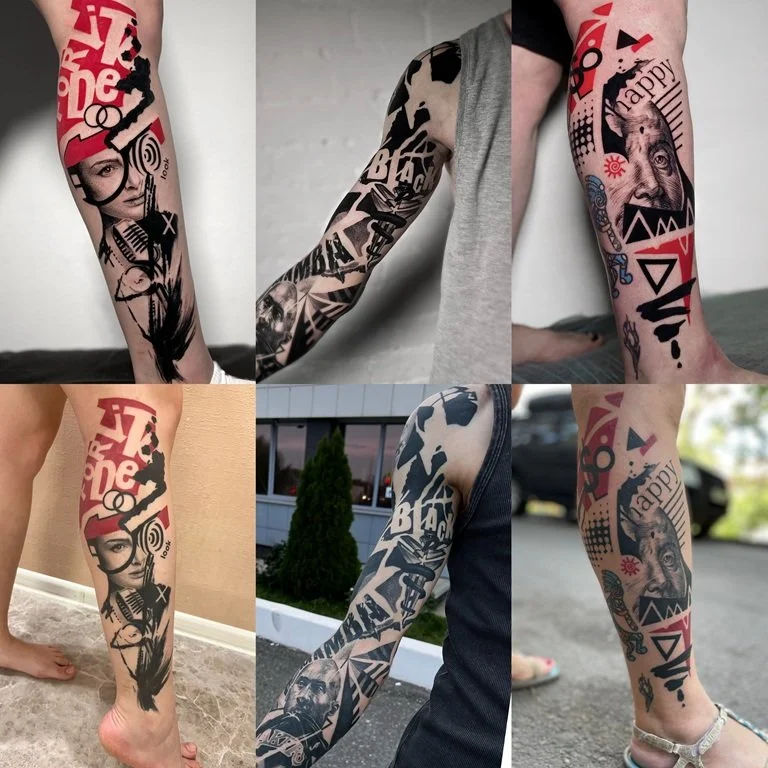
Other factors can also influence the appearance: skin type, sun exposure, friction from clothing, and the natural renewal of skin cells.
When can you exercise after getting a tattoo?
It’s best to limit physical activity during the first few days after getting a tattoo. On average, I recommend waiting 3–5 days before returning to workouts.
The main reasons are sweat and friction. During intense exercise, the skin sweats heavily and clothing may rub against the fresh tattoo. This can increase irritation and slow down the healing process.
If the tattoo is large or located on an area heavily involved in training (such as the shoulders, back, or legs), it’s better to extend the break to 7–10 days. It’s best to return to exercise gradually while paying attention to how your skin feels.
Restrictions after a tattoo session
During the healing period, it’s important to follow a few simple but important restrictions. For the first two weeks, it’s not recommended to visit pools, saunas, steam rooms, or natural bodies of water. Heat and bacteria can slow the skin’s recovery process.
It’s also important to protect the tattoo from the sun. UV exposure can affect fresh pigment and irritate the skin. If the tattoo is on an exposed area, it’s better to temporarily cover it with clothing.
You should also avoid tight clothing that may rub against the tattoo, and do not use scrubs or aggressive cosmetic products on the tattooed area.
Following these simple guidelines helps the skin heal faster and protects the final quality of your tattoo.