

How much do tattoos cost?
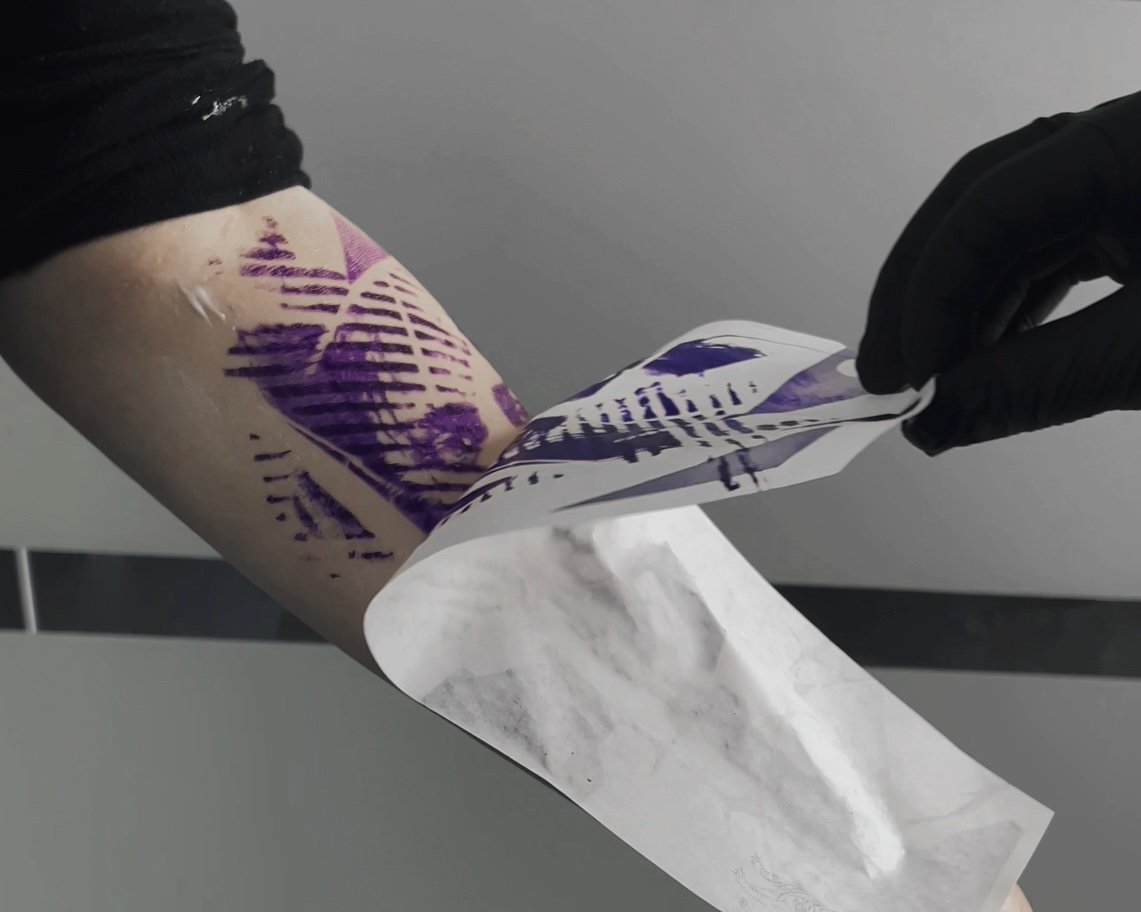
When looking at the quoted price of a tattoo, a fair question might pop up: “Why the hell is it so expensive?”
It might seem reasonable to think: “Okay, maybe a session should cost $500–600 — that covers the artist’s expenses and pays for their time. But why then does a session cost $1000, $1500, or even more?”
The answer often lies in what sets a tattoo artist apart from cheaper options — the strengths and advantages that justify the higher price.

One of my works. You can see more on my website mironenkotattoo.com - I recommend taking a look. I create tattoos in Boston, MA
What contributes to the high cost? There are several reasons:
• The artist has deep knowledge of professional nuances: strong composition, proper placement on the body, how the tattoo will age over time, and more. If the artist can draw well, that’s a huge advantage. All of this knowledge shows up on the client’s skin in the form of high-quality work
• The tattooer has a bold and recognizable style. People travel from other cities to get tattooed not just for a design, but for a piece of art — something unique, not just a basic Pinterest sketch
• A true professional works with structure and responsibility. If you agree on something with them, you can count on it — they won’t disappear or flake on deadlines. When a client pays a deposit, they know the artist will treat the project seriously and find the best design solution, even if it takes a lot of time and effort
• A skilled tattooer never stops improving. They invest in learning from stronger artists, attend workshops, study drawing, editing, social media — and all of that costs money. Some might see it as optional, but for me, it’s essential
The points listed above aren’t basic standards for every tattoo artist. That’s why the overall state of the market also plays a role. If some sloppy artist who’s never even heard of these principles charges $1000 per session — why should a skilled artist charge the same or less?

Tattoo prices in Boston: hourly or session-based pricing
People often ask about hourly pricing for tattoos because the logic seems straightforward: the artist works an hour, the client pays for an hour. But in practice, the tattoo industry works a bit differently, which is why many artists move to a session-based pricing model.
The problem with the hourly model is that tattooing isn’t assembly-line work with a constant speed. The pace depends on many factors: the size of the piece, the complexity of the details, the client’s pain tolerance, breaks, skin characteristics, and even the placement of the tattoo on the body. As a result, the same design can take different amounts of time on two different people. For the client, this creates uncertainty, because the final price becomes difficult to predict.
The session model partially solves this problem. In this case, the client pays for a fixed session with the artist, which usually lasts several hours. This makes the cost clearer and allows both sides to focus on the quality and the process rather than how many minutes remain until the next billed hour.
There is also a psychological aspect. When the work is paid strictly by the hour, the client can sometimes feel like there’s a “meter” constantly running. The session system removes that pressure: the artist works at a comfortable pace, and the client can focus on the final result.
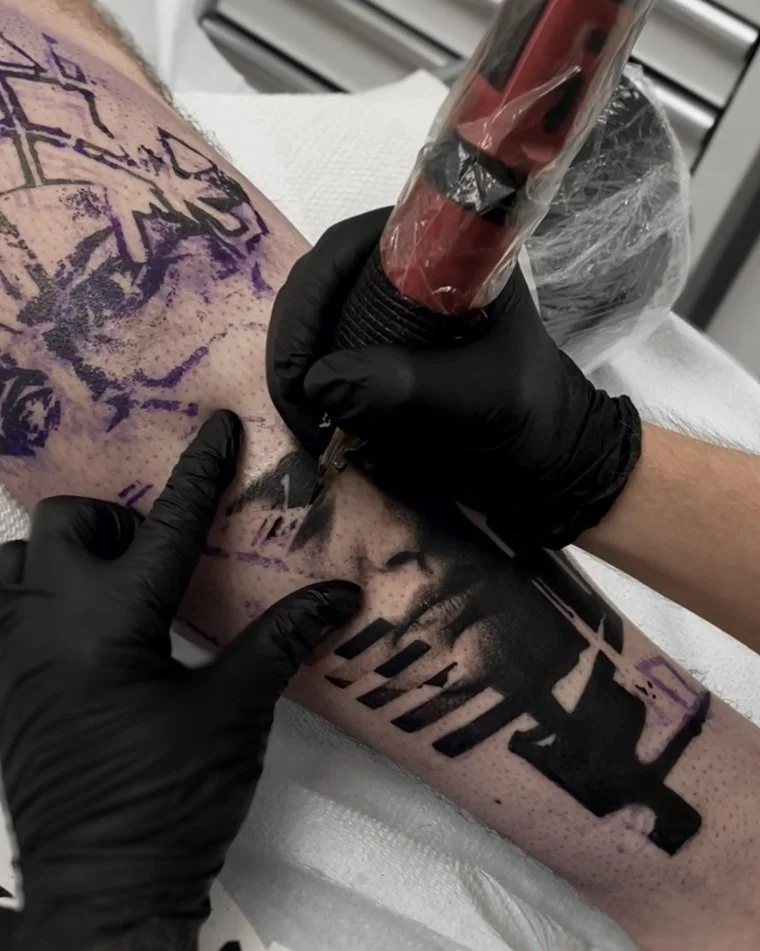
Here’s another key point:
A tattoo is a luxury design item. Like a premium phone or a handmade designer bag — but even more unique and for life (maybe even longer). It’s also a piece of art. Paintings in galleries are priced high, and that’s considered normal. So why should high-quality tattoos be any different?
The saying “you get what you pay for” definitely applies here. Covering up a bad tattoo often takes more time and money than getting the same design done right the first time on clean skin by a skilled artist. Laser removal is even more time-consuming and painful — something to think about.
Respect yourself and your body!